ABOUT ME
I am a design researcher and systems thinking practitioner working at the intersection of design, complexity science, and politics. With over a decade of experience across knowledge institutions in both the Global South and the Global North, I bring a cross-cultural lens to examining the structural forces that shape the trajectories of human systems. My work integrates qualitative research with design-led practices, including storytelling, speculative design, and dialogic approaches. Through this nexus of research and practice, I develop participatory processes and solutions that activate collective intelligence to navigate complexity and strengthen collaborative responses.
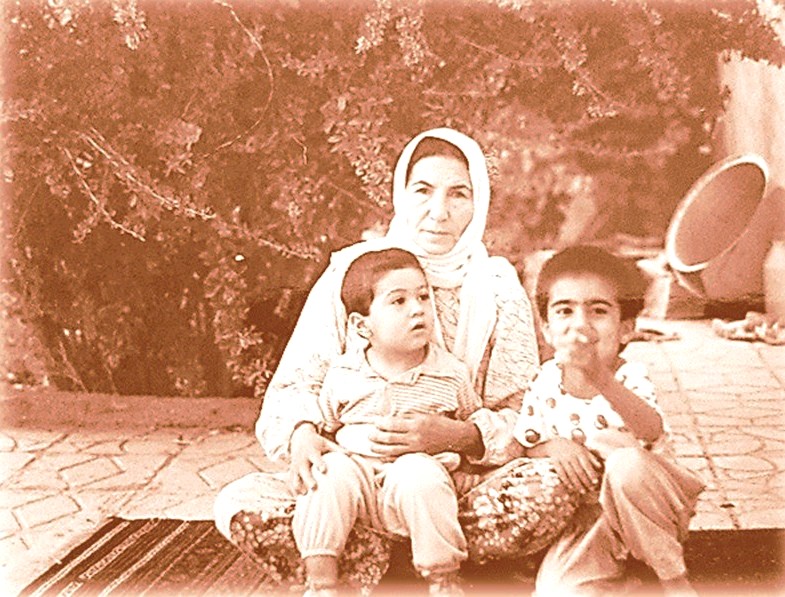
This photograph was taken around 1994 at my grandmother’s house in Torbat-e Jam, Iran, where I spent much of my childhood. The environment—rich in local artistry and folklore—left a lasting impression on me and continues to shape my creative practices. In the image, I am sitting with my older cousin on a handmade carpet, likely woven by one of my aunts in the late 1980s. The carpet features traditional patterns, possibly inspired by local animals, and was originally made for prayer during the summer months. Behind us stands a large clay pot once essential for making homemade tomato paste, alongside a larger container used to ferment pickles—both prepared especially for large family gatherings and traditional rituals. In the background, a barberry bush is visible. The photograph was taken by my uncle, who was an activist.
MY CV
MY JOURNEY
My earliest memory of being drawn to design dates back to when I was ten years old, during weekend visits to Kānoon-e Parvaresh-e Fekri-e Koodakān (the Institute for the Intellectual Development of Children and Young Adults) in Iran’s eastern province of Khorasan. It was there that I encountered Design: A Concise History by Thomas Hauffe. Although the text was far beyond my reading level at the time, the images of furniture, tools, and architectural layouts revealed design as a fusion of art, geography, and science. This discovery became my first meaningful encounter with design literature and ignited a curiosity that has guided me ever since. Years later, I pursued industrial design as my field of study, completing both a bachelor’s and a master’s degree. In 2017, I earned a Master of Design Sciences from Amirkabir University of Technology. After a brief industrial design role at NIlperHome Furniture, one of Iran’s leading product design companies, I returned to academia as a junior lecturer at the University of Tehran. In 2018, I moved to Canada to work as a research assistant at the University of Windsor, where I was involved in the design of ergonomic devices. Collaborations with systems engineers in Windsor and researchers in Waterloo, along with complementary coursework in design methods, expanded my focus toward systems thinking and the role design can play beyond the creation of discrete objects. This shift from product-centered design to systems-oriented design eventually took me to Belgium, where I completed a PhD in Systemic Design | Research Group Product Development | University of Antwerp. My doctoral research resulted in a methodological contribution titled Design-Driven Conflicts (DDC), situated at the intersection of design, systems thinking, and conflict studies. Following a successful defense, I joined Utrecht University, Faculty of Social and Behavioural Sciences, as a postdoctoral researcher. In this role, I worked on projects related to pandemic preparedness and sustainable energy transitions, with a particular focus on the soft dimensions of designing (e.g., campaign development), as well as the barriers and enablers of engagement, including some works connected to PARTICIPATE? | Energy Beehive.
As of January 2026, I am working equally on two independent projects: one on designing future systems (theoritical) and another on the digitalization of design-driven conflicts (emprical). Yet open for any intersting opportiny"
In my free time, I read, translate, and write short stories, including fables; run across cities; and explore new ways of life through encounters with different cultures. I have a deep interest in how different systems behave in relation to phenomena, uncertainty, and emergence. I plan to launch my first art exhibition in 2028, centered on the theme “Mapping Complexities, Sensemaking through Rituals.”
Research
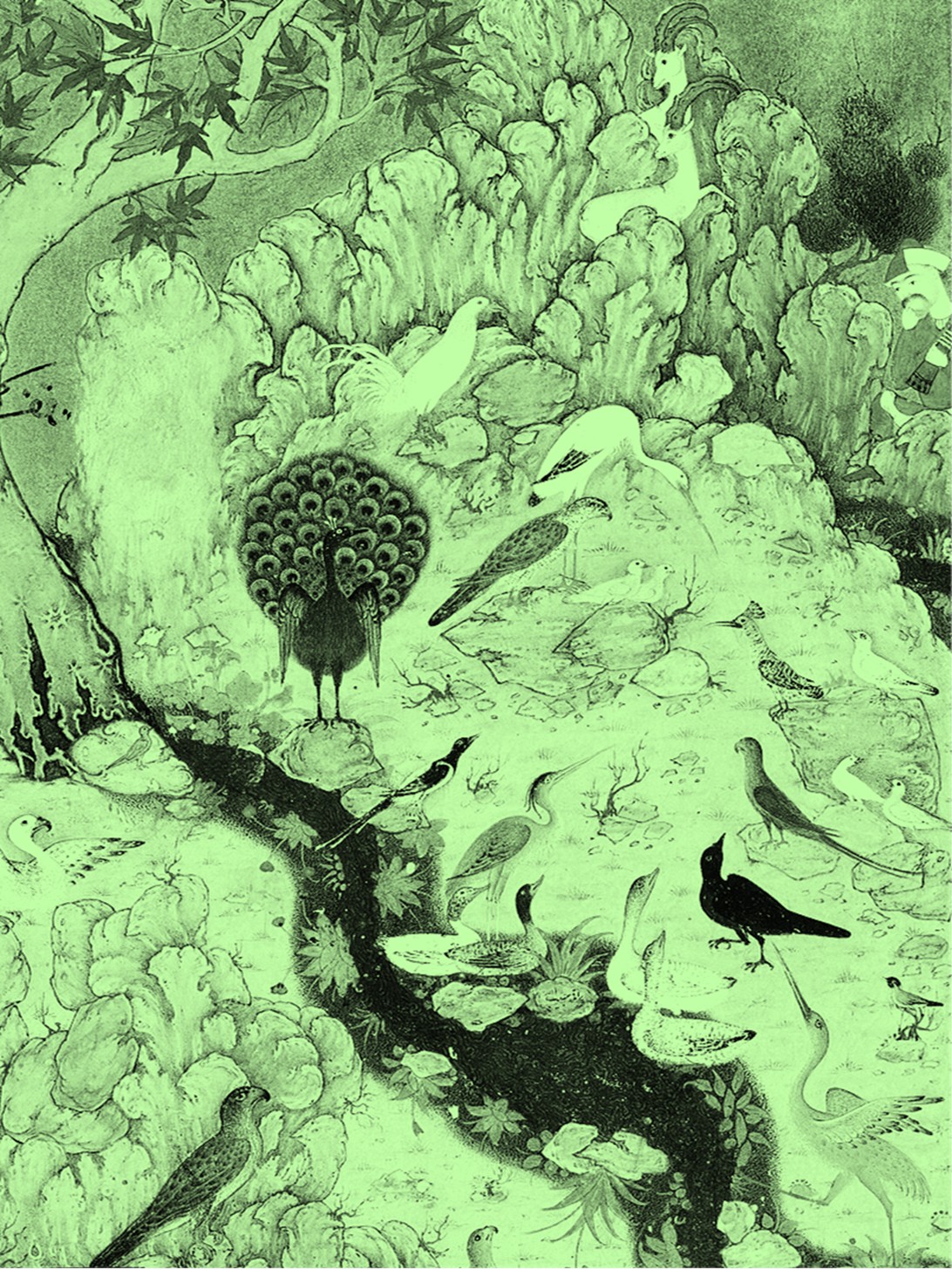
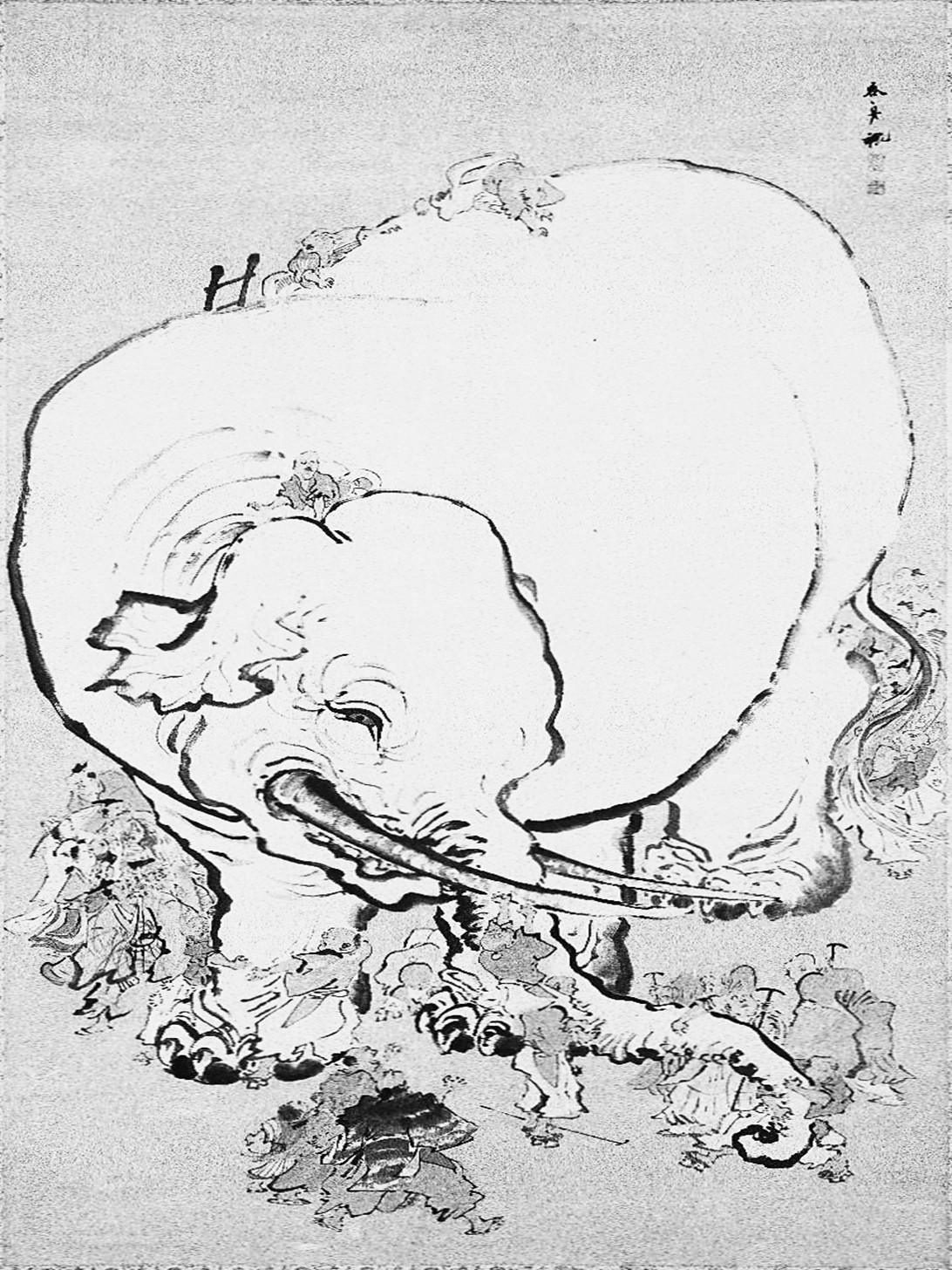
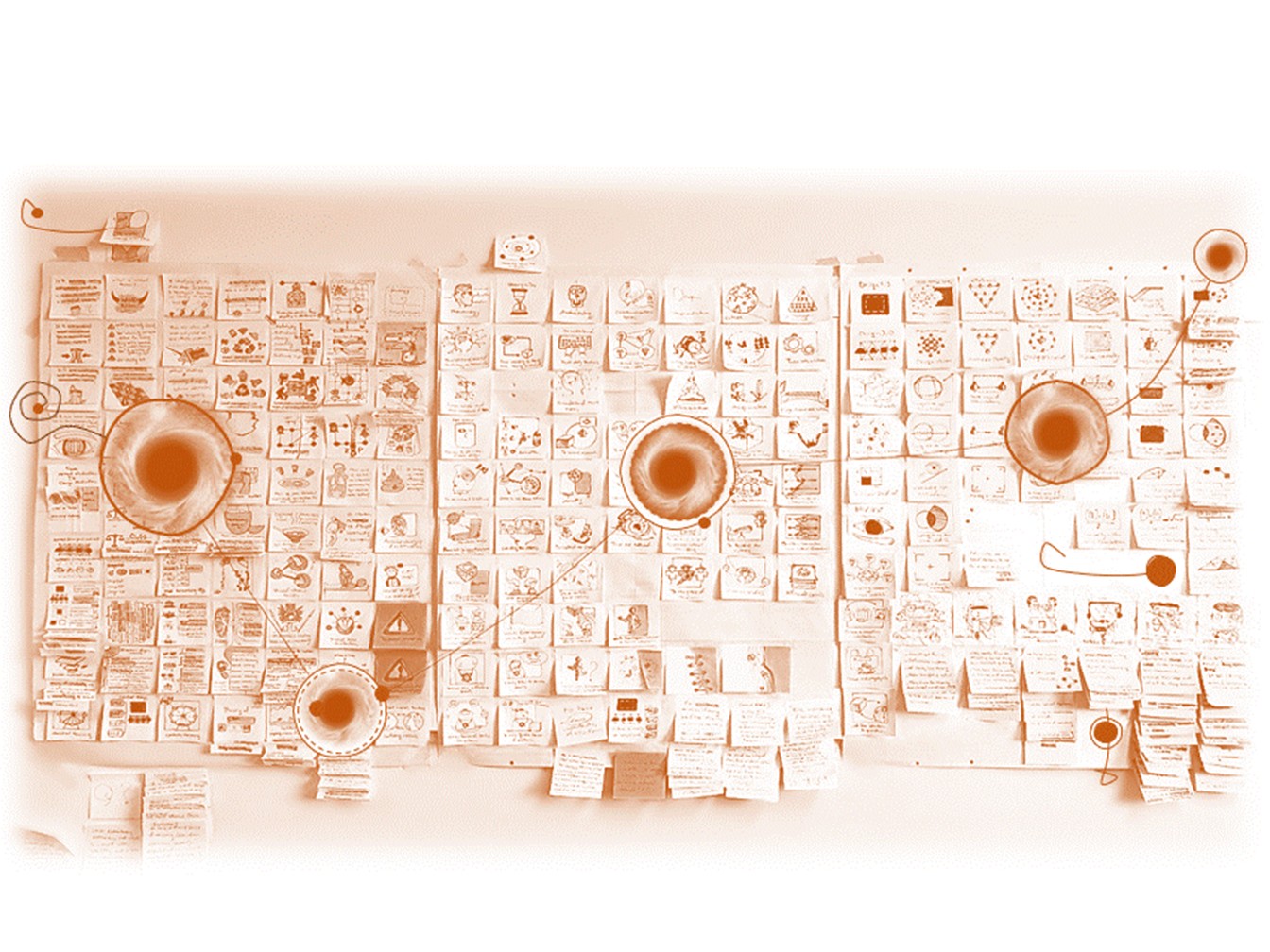
My research focuses on applying designerly ways of doing in relation to greater systems, namely by using design reasoning as a means for community engagement and citizen empowerment. I work primarily with qualitative and participatory methods, positioning design not as an expert-driven activity but as a form of social capital. I am particularly interested in democratizing design processes and outcomes through the development of participatory tools, federated systems, and socio-technical infrastructures that support more equitable and just transitions. Within this work, values such as empowerment, preparedness, and collective intelligence are translated into process-oriented outcomes rather than predefined results. Design pedagogy plays a central role in my approach. I engage with contemporary systems-thinking theories and translate them into visual, accessible, and actionable formats that enable diverse actors to collectively explore the root causes of complex societal challenges. Methodologically, I pursue this agenda through creative techniques, form-giving practices, and visual methods, treating designing with others as both a research strategy and a medium for social change. A concrete manifestation of this approach is the Design-Driven Conflicts (DDC) framework, which facilitates the reconfiguration of social relations by shifting destructive dynamics toward more constructive forms of coexistence. This understanding resonates with Eastern philosophical traditions that emphasize the commons, such as those articulated by Farid ud-Din Attar (see The Conference of the Birds), where transformation emerges through collective journeying.
"First, they became confused. After a while, however, they were astonished as they looked into each other’s eyes and realized that they themselves were, collectively, the King. The throne was theirs, and together they shared responsibility for the kingdom.”
— From The Conference of the Birds by Attar of Nishapur, as cited in the work of Béla H. Bánáthy (p. 288), in his discussion of who should be the designer of social systems.
Methodology
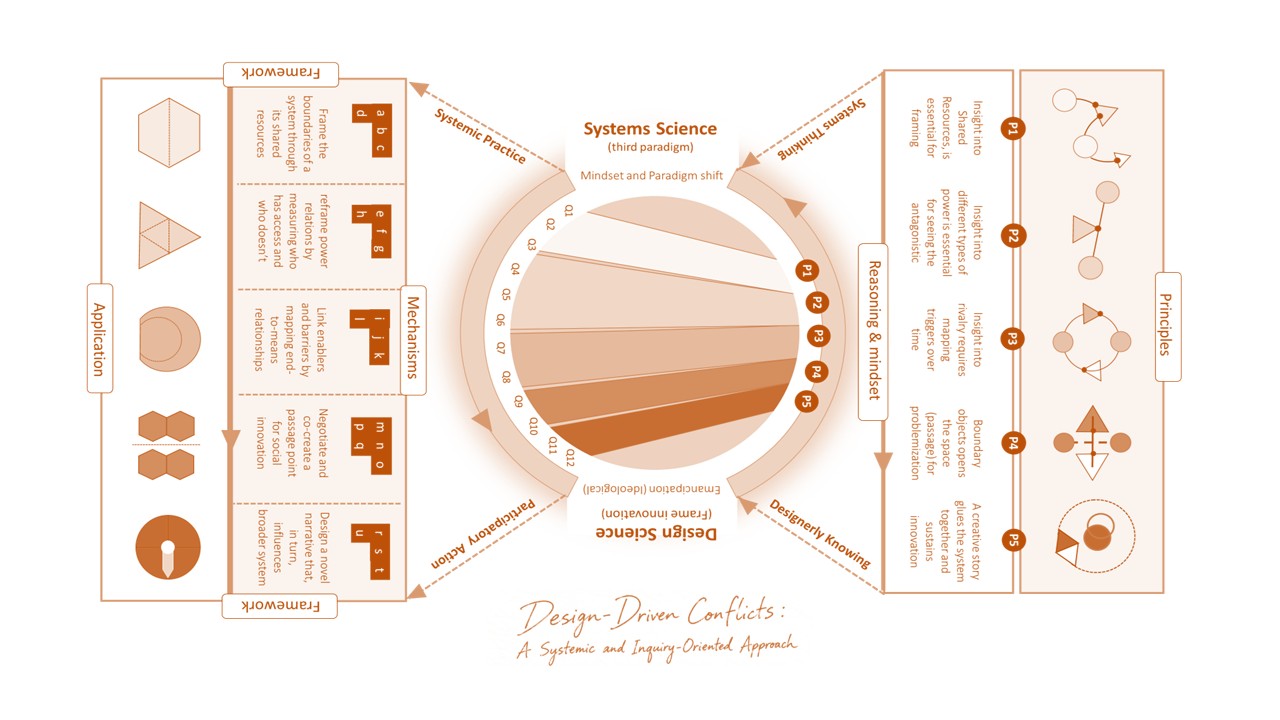
To date Framing of Conflicts, Designing for Systems: A Pragmatic Approach has undergone three cycles of refinement. In its most recent iteration, DDC places stronger emphasis on meaningful deliberation, higher-order learning, and transformation at both the social (group-level) and cognitive (individual-level) scales. The fourth iteration will focus on developing an open-access version of the method, supported by pedagogical materials suitable for both offline and online co-creation workshops, citizen forums, and dialogue circles (community). Subject to the successful acquisition of funding, this phase will also include the development of a digital platform with integrated assessment features. **
Structure of the DDC Approach
The DDC Approach is structured around five sequential and cumulative phases, each with distinct objectives and tools:
1. Mapping the Context (Course of Judgment)
In this initial phase, stakeholders collaboratively map the context of rivalry by examining the conditions that shape the current course of judgment. This involves identifying key actors, situating them within broader discourses, and understanding their relationships through the lens of shared and contested resources. At this early stage, the DDC introduces a unique typology of resources and analytical tools that connect actor archetypes based on these assets, enabling a nuanced view of the systemic ecosystem.
2. Exploring Power, Rivalry, and Imbalance
The second phase provides methods for unpacking power dynamics and rivalries among stakeholders. It aims to surface tensions, injustices, and the root causes of conflict. A core insight of the DDC is that rivalry often emerges from perceived imbalances, denied access to power, or unexamined assumptions about the “other.” This phase offers a distinctive lens for categorizing different forms of power and includes visualization tools to make complex power relations explicit and discussable.
3. Actors’ Journey
Once the underlying drivers of conflict are articulated, participants enter the Actors’ Journey; a creative and reflective process that explores barriers and enablers across past experiences, present conditions, and potential futures in relation to collaboration. Participants map their experiences both visually and narratively, revealing underlying motivations and assumptions. The DDC provides a context-sensitive framework and a set of paradoxically ordered tools that allow participants to zoom in and out between individual and collective perspectives on conflict.
4. Problematization and Frame Innovation
The fourth phase is explicitly design-oriented. Building on the previous phases, participants transition from framing conflict to reframing the problem itself. Through the practice of problematization, participants shift perspectives, establish new connections, and identify shared concerns. The DDC introduces a novel framework for designing new boundary objects, reordering stakeholder positions, and envisioning shared “passage points” emergent equilibria from which collaborative futures can be organized (e.g., who needs what, who can provide what, and under which conditions).
5. Narrative Structuring
In the final phase, participants co-create shared narratives that help scale insights, solutions, and strategic interventions. These narratives are constructed through creative components such as archetypes, symbols, representations of actors, and sequences of action, functioning as vehicles for design translation. The DDC provides narrative design tools and prompts that strengthen connectivity and alliances while helping participants avoid undesirable futures. These narratives translate systemic insights into inclusive, actionable orientations that can guide future decision-making.
Application**
The DDC Approach has proven effective in complex, multi-stakeholder environments where collective intelligence is required to address systemic challenges and where design must support transitions from periods of chaos toward more ordered and constructive configurations. The approach has been successfully tested in organizational systems, including applications related to preparedness in the context of energy poverty. A report detailing these results is currently under review. The open-source platform is currently under development. If you are interested in collaborating on or investing in the project, I would be glad to connect. In addition, I offer workshops on visual sensemaking, the application of systems thinking in organizations, and design-pedagogical tools for co-creation.
- An online software platform supporting the DDC methodology is scheduled for release by the end of 2026 and will be accessible at:
https://designdrivenconflicts.nl
- If you are interested in collaboration, participating in workshops, or if you are a manager whose organization is navigating complex challenges, please feel free to contact me:
by email: moeinnedaei@gmail.com
or linkdin page: www.linkedin.com/in/moeinnedaei
 Mapping the Context
 Power and Rivalry Exploration
 Narrative Structuring
 Frame Innovation
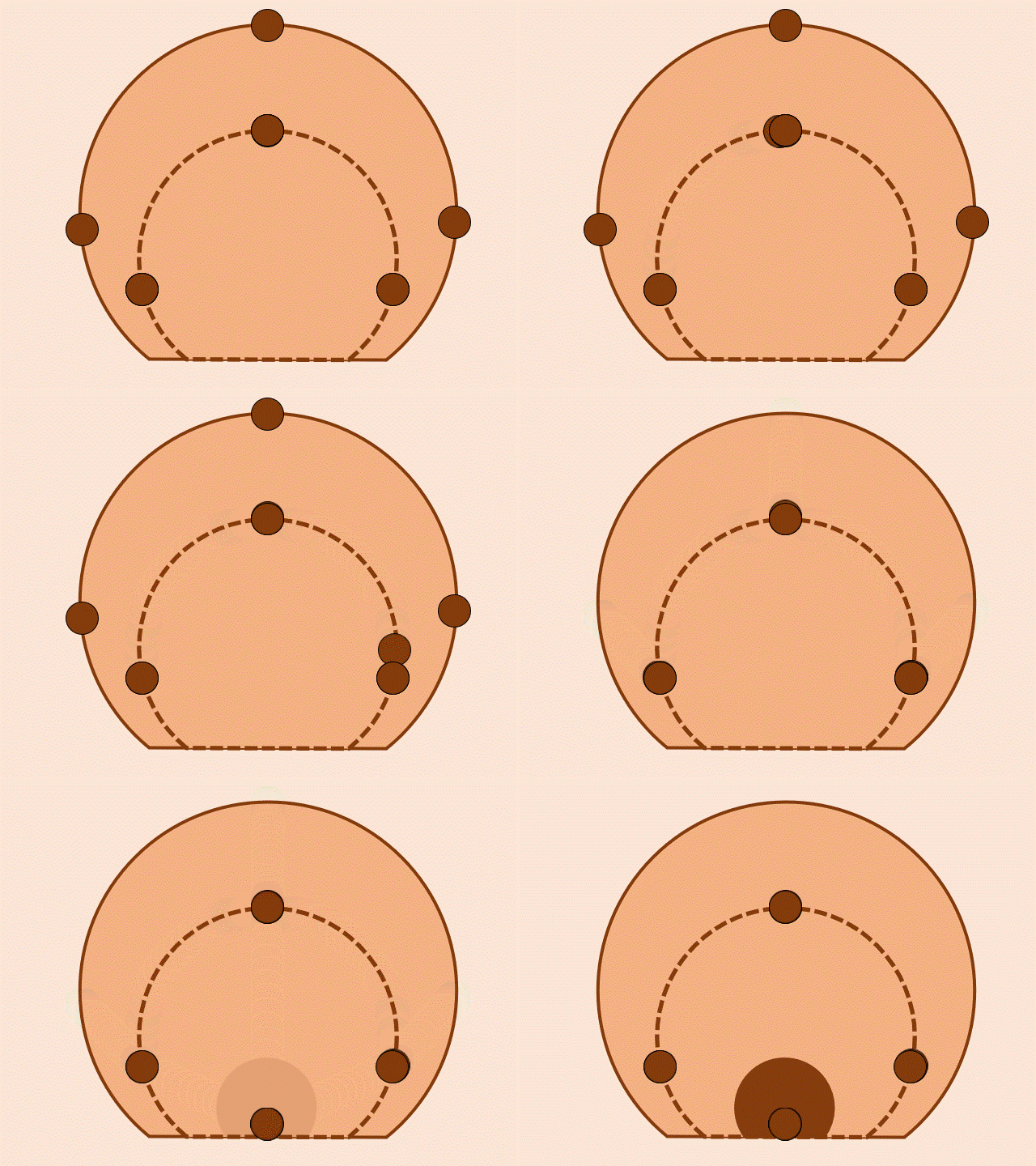 Actors' Journey
Portfolio
My design portfolio spans a broad spectrum, from physical product design to services—primarily pedagogical artifacts—as well as human-centered complex systems and infrastructures. Over time, this practice has undergone a significant transformation. I no longer approach product design merely as a response to user-centered needs. Instead, I understand products as components of larger systems: social materials, relational tools, and boundary objects whose meaning and functionality emerge through dialogue and interaction among diverse actors. In this sense, my designs are inherently political, social, and cultural. Between 2011 and 2015, my work focused primarily on product design. From 2015 to 2018, my attention shifted toward service and systems innovation. During this transition, I began drawing inspiration from artistic and design traditions with a strong semantic orientation, such as the Saqqakhana movement—an influential approach in Iranian modern art. This influence continues to shape how I craft systems and translate complexity into meaningful forms. Since 2018, my practice has concentrated on designing methods, practices, and frameworks for addressing complex societal challenges. This includes planning tools for community engagement, blueprints for participatory processes, and the design of rituals and practices aimed at mobilizing the collective capacities of publics to transform rigid or entrenched systems. Below is a selection of works that reflect this trajectory.